Canada | Newfoundland and Labrador | Fogo Island

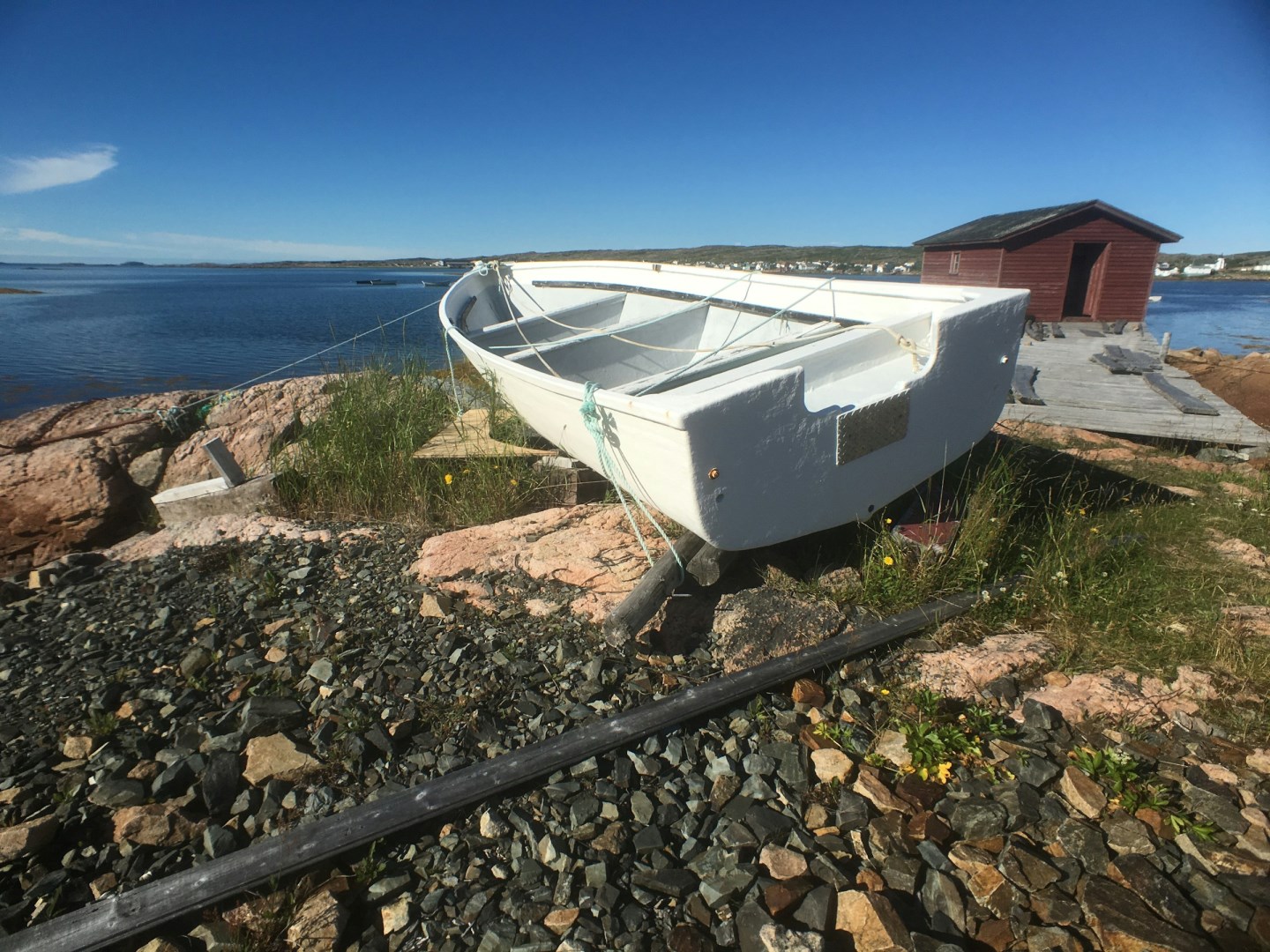

Fogo Island is a large offshore island in Newfoundland and Labrador, set in the North Atlantic and reached by ferry from Farewell on Newfoundland’s northeast coast. Its landscape is defined by rocky headlands, small coves, rolling hills, exposed coastal trails, and scattered fishing communities. Eleven communities occupy the island, including Fogo, Joe Batt’s Arm, and Tilting, each with its own character and relationship to the sea. The island is also known for contemporary architecture and artist studios, which stand alongside traditional fishing buildings and long-established outport landscapes.
Fogo Island’s cultural identity is closely tied to fishing, boatbuilding, music, storytelling, and community traditions. Tilting, on the island’s eastern side, is a National Historic Site of Canada with strong Irish heritage and preserved fishing premises, stages, and other buildings associated with the inshore fishery. The Dwyer Premises includes a house, store, flakes, and an original fishing stage. Community festivals and traditional gatherings continue to feature music, dance, and local storytelling, while craft traditions have also influenced the island’s contemporary artistic identity.
The island’s natural attractions include Brimstone Head, a prominent rocky headland overlooking the Atlantic, and the Joe Batt’s Point Walking Trail, where a statue commemorates the extinct great auk. Coastal paths pass through exposed terrain and provide opportunities to see seabirds, whales, and, at suitable times of year, icebergs. Fogo Island also has its own caribou herd, an unusual feature of the island’s environment. Modern artist studios are scattered across the island, designed to respond to their individual coastal settings and forming an important part of its contemporary cultural landscape.
Food on Fogo Island draws heavily on the surrounding sea and the island’s small-scale agriculture and foraging traditions. North Atlantic seafood, wild berries, edible plants, root vegetables, and other locally sourced ingredients feature in seasonal cooking, particularly at Fogo Island Inn. The inn itself has become a notable architectural landmark, standing on stilts at the edge of the ocean and incorporating work by local makers. Fogo Island’s distinctive character comes from this meeting of traditional outport life, contemporary art and design, and a food culture shaped by the island’s waters and landscape.
